
11 Tips for Growing Beautiful Zinnias in Pots
This creates bushier plants with more flowering stems. These are true warm-season plants – they sulk in cool weather and absolutely hate frost. Plant them too early, and cold soil will stunt their growth or kill them entirely. They’re smaller plants, typically inches tall.
Although you shouldn’t plant zinnias until the danger of frost has passed, you can continue sowing the seeds throughout the summer. While you can up pot seedlings that have outgrown their containers, this is an unnecessary step. If you start the seeds too soon, you’ll be left with overgrown plants that are itching to get in the ground. Join flower farmer Briana Yablonski to learn how to grow zinnias from seed.
For mature plants with leggy stems, choose the longest stems and cut back by as much as half, cutting above a leaf node for new stem production and more flowers. To create freely branching, plump plants, choose non-flowering stems in early summer that are eight to 12 inches tall and remove the top four inches. Like deadheading, pruning promotes new growth and can restore leggy plants to a fuller, more pleasing appearance. Plants in small containers can benefit from a biweekly feeding – but cut the fertilizer strength in half to avoid leggy growth or too much foliage. Alternatively, you can apply a liquid or water-soluble fertilizer monthly during the growing season.
Growing Potted Zinnias

Plant mint or basil next to zinnias to make them more useful and keep pests away. Fungicides can address brown spots on the leaves, which indicate fungal problems. Potted zinnias may be difficult to keep pests and diseases away from. If you deadhead and prune your zinnias often, they will look better and bloom for longer.
Avoid Planting These 16 Ground Covers Under Trees
Fill with potting soil and plant one seedling per pot. By watering in the soil prior to planting we prevent dislodging the seed. If you are dreaming of small pots of zinnias that are constantly in bloom and which you won’t be harvesting from, then those would work for you. I have had these varieties produce blooms on stems that were 2 feet long even in pots.
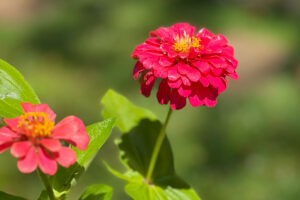
Planting zinnia seeds in pots allows you to enjoy their endless summer vibrancy on balconies, patios, or even sunny windowsills. Many people are turning to container gardening to make the most of limited space, and zinnias are an outstanding choice for this approach. The zinnias we grow are annual plants, so they complete their life cycle in one year. This very tall-growing zinnia, bears Easy Hack to Grow Zinnias in Pots striking double flowers in magenta with a lime green centre.
- Before planting, amend the soil with compost and worm castings.
- Zinnias grow so fast in warm weather that late-planted seeds often catch up to early ones.
- Hi Roy, Zinnia flower colors will often fade with age and in the heat of summer.
- Zinnias are available in a wide range of heights, from dwarf cultivars that only reach a height of 6 inches to varieties that can reach up to 3 feet.
Flowering annuals grown in containers add color to an apartment terrace, a garden patio or any other outdoor spot. Despite your best efforts, it’s not uncommon for zinnias grown in pots to encounter some challenges along the way. Remember to adjust your watering and maintenance routine based on the specific needs of your zinnia varieties and growing conditions.
- You can choose between dozens of zinnia varieties, so narrowing your selection down to one or two types is no small feat.
- Growing zinnias gave me a start — and taught me how to keep going.
- One of the things I appreciate most about growing zinnias is how flexible they are right from the start.
- While it feels like garden sabotage, “pinching” transforms leggy stems into lush, bloom-packed plants.

Water your zinnias thoroughly, allowing the water to reach the root zone. The frequency of watering will depend on various factors such as climate, pot size, and soil type. Proper watering is crucial for the health and vitality of zinnias. Full sun exposure promotes robust growth, encourages abundant flowering, and enhances the intensity of the flower colors. When selecting a location for your zinnias, choose a spot that receives ample sunlight. Ensure that the soil remains consistently moist but not waterlogged, especially during the first few weeks after transplanting.
Put the watered-down fertilizer on the plant while it’s still young. Over-fertilization occurs when more nutrients are added to the soil than the plant can use. The zinnias can be fertilized again in the middle of summer.
Growing zinnias from cuttings is an excellent way to duplicate your favorite plants, although these have less success than growing straight from seed. If you are growing your zinnias in pots, you can sow them earlier if you have a warm greenhouse in which they can germinate and start to grow. The easiest way to grow zinnias, or if you're short on time, may be to buy them as plug plants, and grow in individual pots before planting out.