
9 Best Tips for Successfully Growing Marigolds from Seed
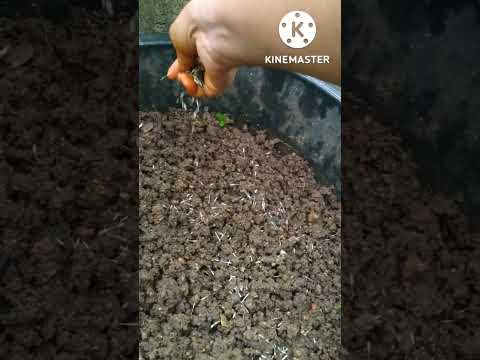
Perennials are fabulous too and we love those as well but you get so much color from planting annual flowers for the summer. Use the sprayer nozzle with light water so as not to dislodge the seeds until they sprout. Flower seeds are planted so near the surface of the dirt that they are almost not even covered with dirt. After you have sprinkled your desired amount of seeds across the prepared soil, gently cover with Successfully Growing Marigolds from Seed in dirt by sprinkling a light layer of dirt on top of the seeds. When sowing seeds on top of the soil, it is okay to have them close together.
Why aren’t my seeds germinating/sprouting?
Now, gently pat down the dirt on top of the seeds. (It’s like sprinkling flour onto a surface that you are kneading raw dough on.) Just barely cover the seeds with dirt. Gently sprinkle the seeds across the area you have prepared. You can harvest your own seeds for next year’s flower beds from this year’s Marigolds. The hoe of course is so you can loosen the soil nice and deep which will allow the roots to grow more healthy. I use a good old-fashioned hoe and a garden rake to prepare the soil.
How to Grow French Marigolds – Gardeners Basics
Let's explore how to keep your marigolds healthy and vibrant, and how to tackle common pests and diseases that may threaten their growth. In the world of gardening, marigolds hold a special place with their vibrant colours and easy-to-grow nature. With these steps, you'll be well on your way to successfully grow marigold flowers in pots or planters. For French and Signet marigolds, space plants to around 8-10 inches apart (20-25 cm).

Consistent care and attention to the seedlings will encourage healthy growth and prepare them for successful transplantation. As the seedlings continue to grow, it’s important to transition to a regular watering routine to support their development. Once you have sown the marigold seeds, gently mist the surface with water to provide moisture without disturbing the seeds.
Conditions for Successful Marigold Germination
It’s ok to still purchase some of your seedlings at garden centers or nurseries. Choose just a couple of crops you enjoy growing and start with those. There is no point in planting crops early if the soil and air temperatures are still too cold. Still water plants as needed and protect them during inclement weather. Slowly start to transition them to their future growing location, giving them more sun and exposure as days go by.
- If you live in an area with frost, wait until the last frost date has passed before sowing your marigold seeds.
- They produce a continuous display of small blooms in shades of yellow, orange, and red.
- Plus, it breaks down to enrich the soil, making it the ultimate win-win.
- Generally, marigold seeds can take anywhere from 7-21 days to germinate indoors when sown in a warm location with adequate moisture.
- If natural light is limited, you can supplement it with fluorescent grow lights.
Seed Storage
I grow marigolds every year in the garden and a few in patio containers since they bloom so well well in many different conditions. Get your hands dirty, enjoy the therapeutic aspects of gardening, and relish in the beauty that marigolds bring to your outdoor space. Remember that maintaining proper moisture levels is key to successful germination and the overall health of your marigold seedlings. Plant seeds in a well-draining soil mix, keep them moist, and provide plenty of sunlight. It’s important to ensure that the seed starting medium is moist but not overly wet, as excessively wet conditions can lead to issues such as damping-off disease. The seed starting medium provides the necessary nutrients, moisture, and aeration to support seedling development.