
Unlocking the Mystery: How to Grow Coriander All Year Round Like a Pro!
If you’re a cilantro fan then congratulate yourself – you’ve just learned how to never be without a supply of this divinely addictive stuff! Check out this article on cooking with coriander from Foodal. Finally, if you’re looking for a main dish where cilantro can steal the show, why not try this fabulous pumpkin curry? While this pesto certainly puts cilantro in a starring role, there’s another delicious sauce where it can play an excellent supporting role. If you’ve ever made a basil pesto from scratch, the idea with this variation is the same, just substitute cilantro for the basil.

Grow Coriander at Home with this Simple Guide
Harvest only the leaves you need by pinching back portions of the upper stem, which promotes new growth and fuller plants. Its seeds will be ready for harvest closer to three months from planting. Enjoy fresh, pungent cilantro leaves throughout the cool growing season. Once your cilantro seedlings are about 2-3 inches tall and have developed their first set of true leaves (which look different from the initial seed leaves or cotyledons), it’s time to thin them out. In the UK and many other parts of the world, “coriander” is commonly used for all parts of the plant – leaves, stems, and seeds. Cilantro (Coriandrum sativum) is a rewarding herb to cultivate, offering distinctively flavored leaves and aromatic seeds (known as coriander).
Essential Growing Equipment
Harvest leaves by pinching off the outer leaves, leaving some on the plant for future growth. Avoid watering the leaves of plants to avoid fungal diseases. Coriander seeds grow best when they are sown directly into the garden. Use a good quality potting mix and make sure your container is large enough for mature plants; a minimum of 10 litres is recommended for coriander. Coriander plants can be grown in containers. Coriander plants are best grown in full sun or part shade.
- However, you can prolong the harvest by planting seeds every few weeks to ensure a continuous supply of fresh leaves.
- For example, if you live in a climate zone where frosts are common but your garden is protected by buildings or large trees, your garden may be frost-free.
- Whether you’re growing it for its leaves or seeds, it’s a versatile herb that enhances any dish.
- Also, pay attention to the rainfall; water cilantro only if there isn’t enough rain during any given week.
- Coriander thrives in fertile, loose soil with good drainage.
Organic seeds are always a good choice to avoid any unwanted chemicals. Look for seeds that are specifically labeled for Growing Coriander All Year culinary use, as these are typically the most flavorful. Use an opaque container to block out light and prevent algae growth.
Growing coriander in pots from seeds at home is a popular choice. However, the width of the grow bag should be large enough to accommodate multiple coriander plants with adequate spacing. A grow bag or container that is approximately 6 to 12 inches deep is sufficient for growing coriander. Before knowing how to grow coriander at home in pots or grow bags, you should know the suitable container size for growing coriander. The cool and relatively dry climate during this period is best for healthy coriander growth. Companion planting with other herbs or flowers can also naturally deter harmful insects.
- They are lightweight and have excellent water retention while allowing excess moisture to drain out the growing media quickly.
- How long does it take for coriander to grow?
- If they dry out, then they will bolt to seed.
- Young plants are usually available from garden centres in spring and summer too.
Does coriander need a lot of water to grow well?
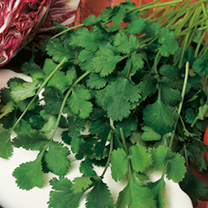
Harvest the seed heads before this happens, then place them in a paper bag to dry completely. Immature seeds are edible but tend to have a bitter taste and strong smell, so it is best to wait until they fully mature. Cilantro grows so easily from seed that there is little reason to propagate it any other way. In cooler regions, be sure to wait until after the last frost before planting outdoors.