
How to Grow a Mango Tree From Seed Like a Pro
Make the cut level and take care not to damage the stem below the cut. Use a very sharp pair of pruning shears or a special grafting knife. Remember, you want vigorous, healthy rootstock.
) Prepare the Seed
A medium-sized pot with good drainage holes is ideal for early stages. Think of the container as your seed’s temporary home. These conditions mimic its natural tropical habitat. Consider using a humidity tray or lightly misting the seedling if the air feels too dry. Humidity, like a gentle hug, keeps the seed comfortable.
- You can either grow a tree from a seed you saved or buy a grafted tree from a nursery.
- This way, you avoid too much fertilizer and make sure the tree gets what it needs all year.
- Plus, their substantial growth period up to a decade makes indoor fruiting even less likely.
- You can also use a soilless mix, such as a combination of perlite and coconut coir, but you will need to transplant soon after to give the tree enough nutrients to grow successfully.
- If the soil feels moist, then the mango tree doesn’t need to be watered.
- If your indoor air is dry, consider placing a humidity tray under the pot or using a humidifier in the room (I use this humidifier for my indoor plants).
- Spacing depends on the mango variety you’re growing.
Types of Mango Varieties
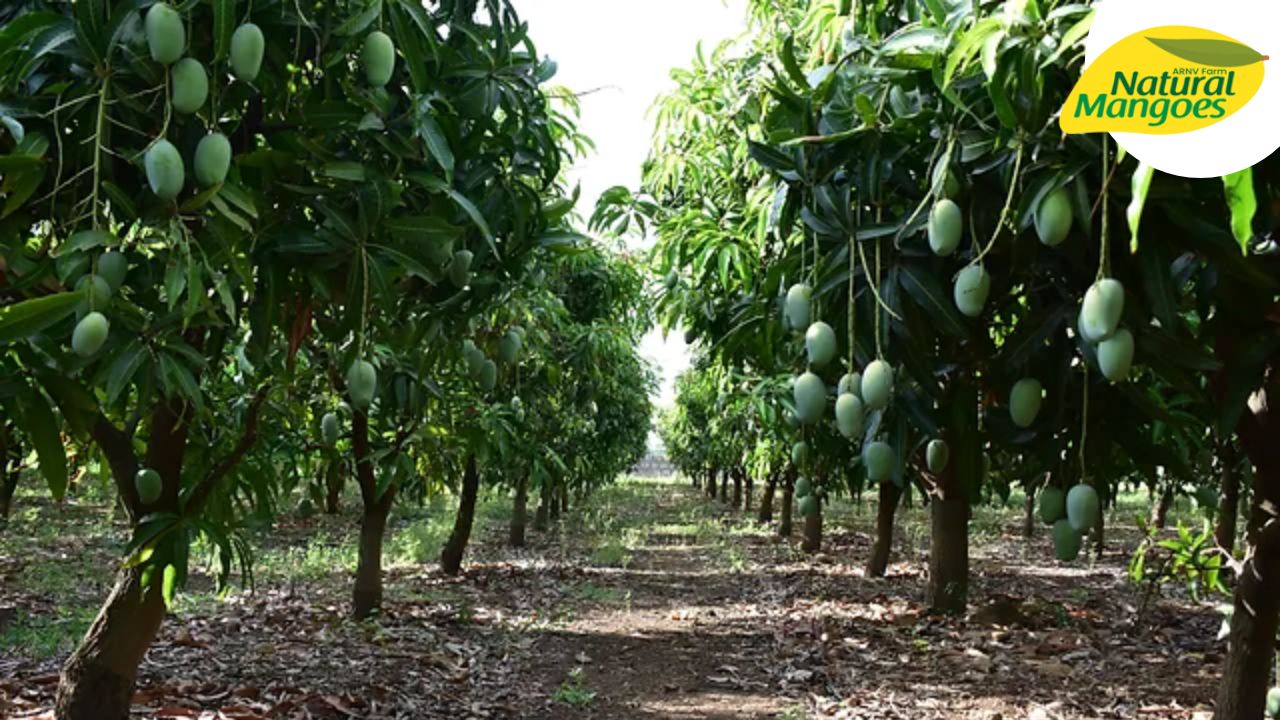
Growing mango trees inside your home is certainly feasible, but don’t count on harvesting How to Grow a Mango Tree Using an any fruit. When your seedling shows a few inches of new growth—typically around the fifth week—it’s time to settle it into its permanent pot. Remember, it’s best to use seeds from exceptional mangoes unless you’re aiming to use less-than-perfect ones for rootstock. You might think you need a tropical backyard to start growing mangoes, but that’s not the case. While growing one can be a bit of a challenge, mango seedlings can flourish in pots or in the garden if you plant them during the warm seasons of spring or summer.

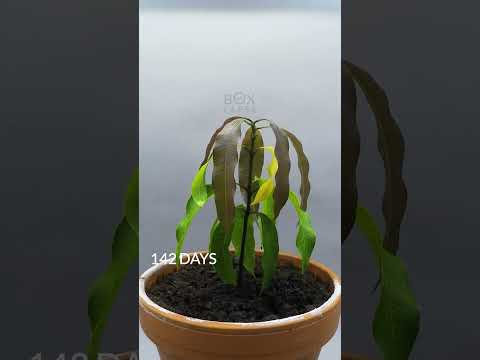
Once the seedling grows strong, move it to a larger pot or greenhouse environment. Carefully remove the mango pit from the fruit, clean off pulp, and gently open the husk to take out the inner seed. Seeds from store-bought mangoes may not produce true-to-type fruit. Choose a site with well-draining soil, as waterlogged soil can lead to root rot. Once you have determined that the climate and soil are suitable and selected species, you must also determine how to propagate the planting material.
Yes, You Can Grow a Clove Tree Indoors—Here’s How to Make It Thrive
- Consider adding sand or perlite to a good potting mix to ensure excellent drainage.
- Place your seedling in a spot that receives plenty of indirect sunlight.
- Change the water regularly and wait for the seed to sprout roots and a shoot.
- Remember, a little fertilizer goes a long way—follow the package instructions and only fertilize during the active growing seasons of spring and summer.
- To turn a mango seed into a tree, first germinate the seed by wrapping it in a damp paper towel and placing it in a warm, dark place.
- To keep your seedling moist and ready for growth, simply wrap it in a wet paper towel.
Mulch will help retain soil moisture and protect the young mango tree root. The easiest way to grow a mango tree is to plant a grafted variety purchased from a local garden center. The amount of water the mango tree needs will depend on natural rainfall, temperature, and soil moisture retention. And growing a smaller mango tree variety on a patio is a good option in zones 4-11 where they can be brought indoors during winter.