
The Influence of Risk-Taking Behavior
Casino gambling is deeply intertwined with the concept of risk-taking behavior, which is a significant factor in understanding why individuals engage in gambling. The thrill of wagering money can trigger the brain’s reward pathways, leading to a rush of excitement that many players seek, including those who might be looking for the best casinos not on GamStop UK. This psychological aspect often results in a pattern of behavior where gamblers may underestimate the risks involved, believing they have a better chance of winning than they actually do.
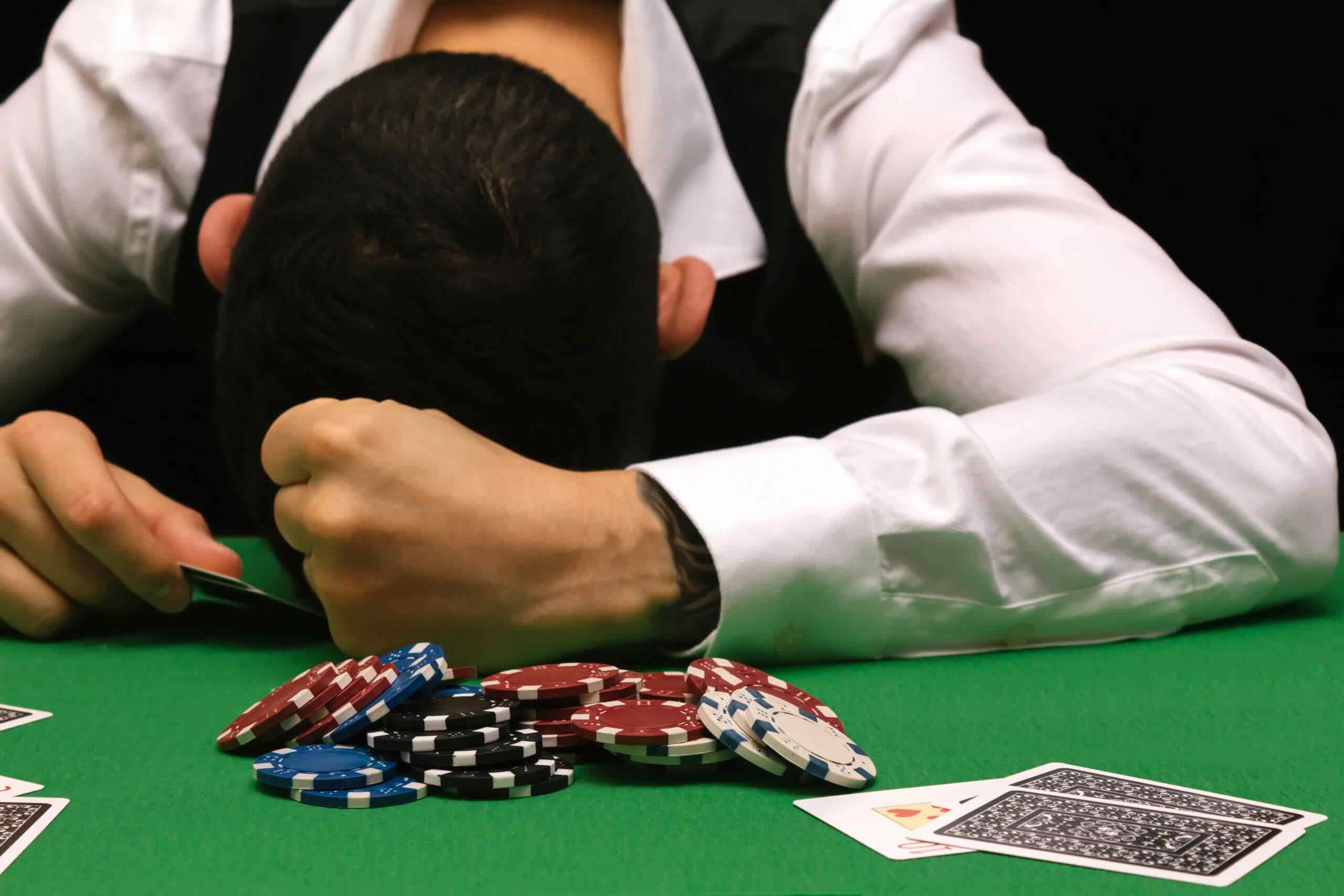
This skewed perception can be influenced by several factors, including cognitive biases such as the illusion of control, where gamblers feel they can influence the outcome of a game through their actions. Understanding these psychological triggers is crucial for both players and casino operators, as they shape the strategies that gamblers employ in hopes of maximizing their winnings while minimizing their losses. Recognizing these aspects can aid in developing a more effective approach to gambling.
The Role of Cognitive Biases in Gambling Strategies
Cognitive biases, such as the gambler’s fallacy, play a pivotal role in how individuals formulate their gambling strategies. The gambler’s fallacy is the erroneous belief that past outcomes influence future results in random events, leading players to make decisions based on prior occurrences. This belief can drive gamblers to chase losses or alter their betting strategies in ways that may not be rational, ultimately affecting their long-term success.
Additionally, confirmation bias can cause gamblers to focus on winning streaks or moments of luck while ignoring losses. This selective perception reinforces their gambling strategies, as they may latch onto successful tactics without acknowledging the inherent risks and statistics that govern the games they play. Recognizing these biases can help gamblers develop more objective strategies that align better with the reality of the odds, leading to more responsible gambling habits.
The Emotional Factors and Their Impact on Gambling Decisions
The emotional state of a gambler can significantly impact their gambling strategies. Feelings such as excitement, anxiety, or even depression can affect decision-making processes, leading players to make impulsive choices rather than strategic ones. When gamblers are in a heightened emotional state, they may succumb to the allure of ‘quick wins’ and neglect their overall game strategy, which can be detrimental to their success.
Moreover, emotions can also drive players to develop attachment to certain games or betting methods, creating a sense of loyalty that may cloud their judgment. These emotional connections can lead to strategies that are more about personal satisfaction rather than statistical analysis or calculated risks, further complicating the psychology behind gambling and its effects on players’ experiences.
The Social Dynamics of Gambling Strategies
The social aspect of casino gambling can significantly influence individual strategies and outcomes. Players often observe the behavior of those around them, which can impact their betting choices and risk levels. This social interaction creates a shared environment that can either encourage responsible gambling or exacerbate reckless behaviors, depending on the group dynamic.
Moreover, peer pressure and the desire to conform can lead individuals to adopt strategies that they might not choose independently. For instance, a player may increase their bets in a group setting to maintain social standing or to fit in, despite knowing it might not be financially wise. Understanding these social influences is essential for grasping the intricate web of psychological factors that shape gambling behavior and the impact of community on decision-making.

Understanding Gambling in the Context of Responsible Play
With the growing awareness of the psychological factors influencing gambling, initiatives promoting responsible gambling have become increasingly important. Websites and organizations dedicated to helping players understand their behavior and the risks associated with gambling are vital for fostering a healthier gaming environment. These resources aim to educate players about the realities of gambling as a form of entertainment rather than a source of income. By embracing such knowledge, individuals can enjoy gambling with a more mindful approach.
By raising awareness of cognitive biases, emotional states, and social influences, these platforms empower gamblers to make informed decisions about their strategies. Encouraging self-awareness and responsibility can transform gambling from a potentially harmful activity into a more controlled and enjoyable experience, aligning with broader societal goals of promoting mental health and well-being in gaming communities.